Enhancing Maritime Efficiency with ATB Shipping Systems
Maritime transport continues to evolve as global trade demands more efficient and cost-effective solutions. Among the most innovative developments in this field are integrated vessel systems that combine flexibility with operational efficiency. These systems are designed to transport bulk cargo safely while reducing fuel consumption and operational costs. With growing pressure on logistics companies to optimize routes and reduce environmental impact, modern shipping solutions are becoming increasingly important. The need for adaptability, safety, and reliability has pushed the industry toward smarter vessel configurations that can handle diverse shipping requirements efficiently.
How Advanced Vessel Configurations Work
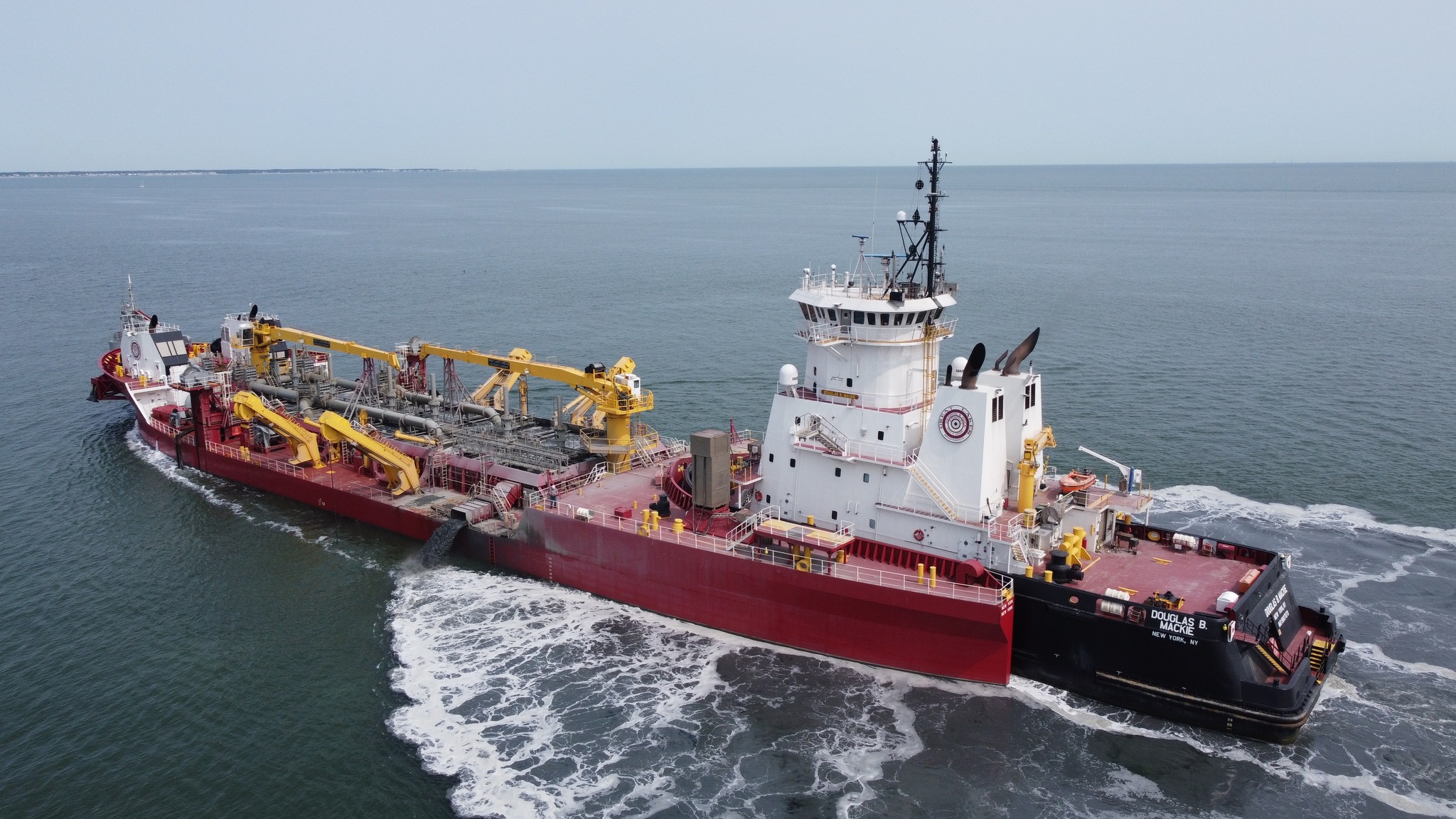
Modern vessel configurations operate by combining two distinct units into one coordinated system. This approach allows for improved maneuverability and enhanced cargo capacity compared to traditional shipping vessels. The connection between units is engineered to provide stability even in rough sea conditions, ensuring safer transport of goods. These systems are particularly beneficial for transporting liquid and bulk cargo across medium distances. Their design enables efficient navigation in restricted waterways while maintaining the economic benefits of larger vessels. This hybrid structure represents a significant advancement in maritime engineering and logistics.
Role of Articulated Systems in Shipping Efficiency
One of the most impactful innovations in maritime logistics is the use of articulated tug barge systems which offer a unique combination of flexibility and efficiency. These systems connect a tug and barge through a mechanical linkage, allowing them to function as a single unit. This design reduces fuel consumption and crew requirements while increasing cargo capacity. Additionally, these systems provide better control and safety compared to traditional towing methods. Their adaptability makes them ideal for both coastal and inland shipping routes, helping operators achieve higher efficiency with lower operational costs.
Environmental and Economic Advantages
Sustainability is a major concern in today’s shipping industry, and advanced vessel systems contribute significantly to reducing environmental impact. By optimizing fuel usage and improving load efficiency, these systems lower emissions and operational expenses. They also require fewer crew members, which reduces labor costs without compromising safety. Furthermore, their ability to operate in shallow or restricted waters minimizes the need for extensive port infrastructure. This combination of economic and environmental benefits makes them an attractive option for shipping companies looking to modernize their operations while adhering to stricter environmental regulations.
Growing Importance in European Trade Routes
The concept of short sea shipping ATB Europe has gained momentum as regional trade continues to expand. This approach focuses on transporting goods along coastal routes instead of relying solely on long-haul shipping or road transport. It reduces congestion on highways and lowers carbon emissions, making it a sustainable logistics solution. These systems are particularly effective in connecting smaller ports and facilitating regional trade. Their efficiency and adaptability make them well-suited for Europe’s diverse maritime landscape, where shorter routes and frequent deliveries are essential for maintaining supply chain continuity.
Future Trends in Maritime Logistics
As technology continues to advance, maritime logistics is expected to become even more efficient and sustainable. Innovations such as automation, digital navigation systems, and improved vessel design will further enhance operational capabilities. Integrated vessel systems are likely to play a central role in this transformation, offering scalable solutions for different types of cargo. The focus will remain on reducing environmental impact while improving cost efficiency. Companies that adopt these advanced systems early will be better positioned to compete in an increasingly dynamic global market.
Conclusion
The evolution of maritime transport highlights the importance of innovative vessel configurations in meeting modern logistical challenges. Advanced systems provide a balance between efficiency, safety, and sustainability, making them a preferred choice for many operators. As global trade continues to grow, adopting smarter shipping solutions will be essential for maintaining competitiveness. These systems not only enhance operational performance but also contribute to a more sustainable future for the maritime industry.